In today’s busy world, more people are becoming conscious of what they eat and how their food choices affect their health and the environment. This growing awareness has increased interest in organic food products, which are produced using farming practices that generally avoid synthetic pesticides, genetically modified organisms (GMOs), and many artificial inputs.
From fresh fruits and vegetables to grains, spices, dairy products, and packaged foods, organic options are now easier to find than ever. But what exactly makes food organic, and why are so many consumers choosing it?
What Are Organic Food Products?
Organic food products are produced according to specific agricultural and processing standards. Organic farming focuses on maintaining healthy soil, supporting biodiversity, and reducing reliance on synthetic chemicals.
Common organic products include:
- Organic fruits and vegetables
- Organic rice, wheat, oats, and other grains
- Organic pulses and legumes
- Organic spices and herbs
- Organic tea and coffee
- Organic dairy products
- Organic eggs and meat
- Organic nuts and seeds
- Organic honey
- Organic packaged snacks and beverages
The exact requirements for organic certification vary from country to country, so consumers should look for recognized organic certification labels when purchasing products.
Benefits of Organic Food Products
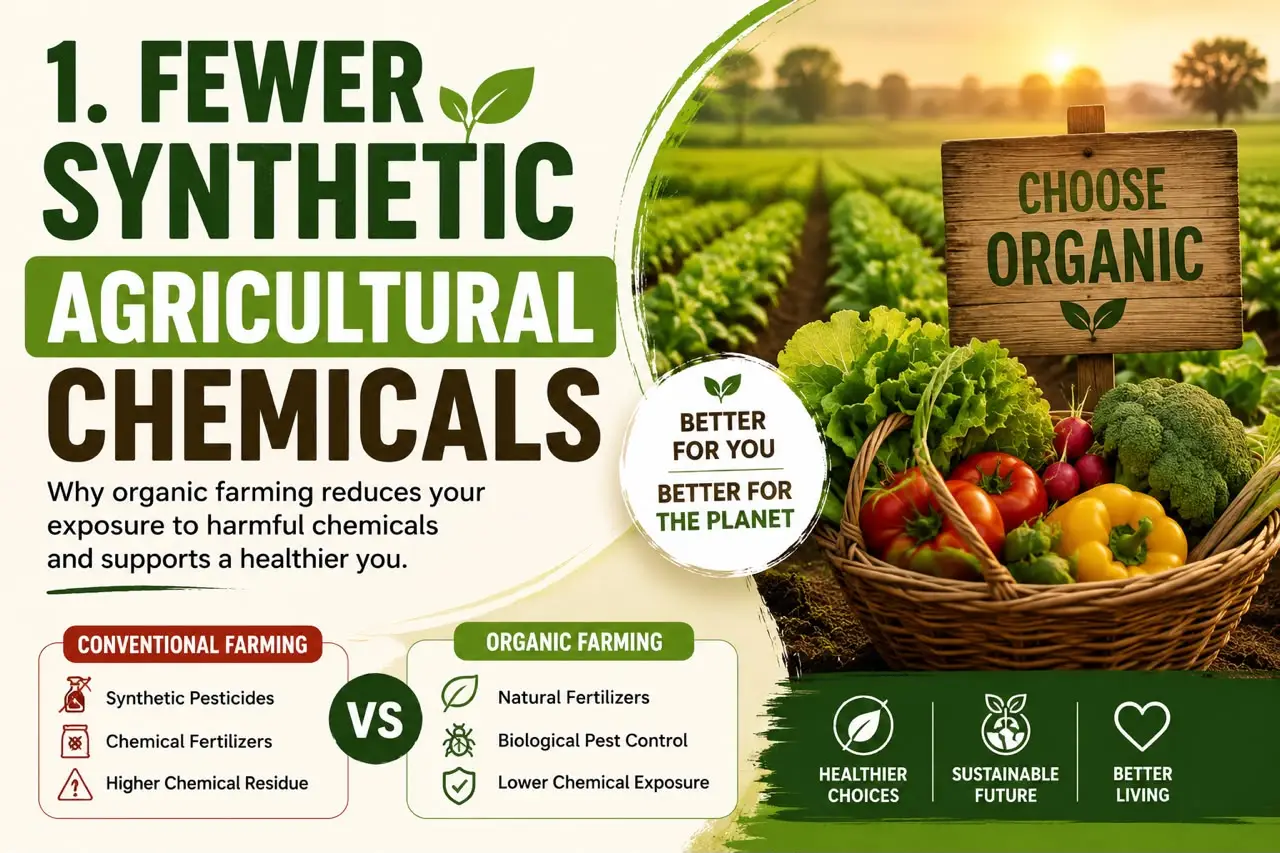
1. Fewer Synthetic Agricultural Chemicals
One of the main reasons people choose organic food is the farming approach. Organic agriculture restricts the use of many synthetic pesticides and fertilizers. This can be appealing to consumers who want to reduce their exposure to certain agricultural chemicals.
2. Supports Sustainable Farming
Organic farming can emphasize practices such as crop rotation, composting, natural soil management, and biodiversity. These methods can help maintain soil quality and encourage a healthier agricultural ecosystem.
3. Encourages Conscious Eating
Buying organic food often encourages people to pay more attention to food quality, ingredients, farming practices, and where their food comes from. This awareness can be an important part of developing healthier eating habits.
4. Wide Variety of Choices
Organic food is no longer limited to a small selection of products. Consumers can find organic versions of everyday staples such as rice, flour, pulses, spices, fruits, vegetables, dairy products, and beverages.
5. Supports Organic Farmers
Choosing certified organic products can help create demand for farming systems that follow organic production standards. In turn, this can support farmers and businesses working toward more sustainable agricultural practices.
Popular Organic Food Products to Try
If you are new to organic foods, you do not have to change your entire diet at once. Start with everyday products that you already purchase.
Organic grains: Rice, wheat, oats, quinoa, and millets are popular choices for everyday meals.
Organic pulses: Lentils, chickpeas, kidney beans, and other pulses can be nutritious additions to a balanced diet.
Organic fruits and vegetables: Seasonal produce is a simple way to introduce more organic foods into your kitchen.
Organic spices: Turmeric, cumin, coriander, black pepper, and other spices are widely available in organic varieties.
Organic nuts and seeds: Almonds, walnuts, chia seeds, flaxseeds, and pumpkin seeds can be convenient additions to meals and snacks.
Organic beverages: Organic tea, coffee, and certain fruit-based beverages are popular alternatives for consumers looking for certified organic options.
How to Choose Quality Organic Products
Not every product labeled as “natural” is necessarily certified organic. When shopping, consider the following tips:
- Look for a recognized organic certification or logo.
- Read the ingredient list carefully, especially on packaged foods.
- Check the product’s manufacturing and expiry dates.
- Compare prices and package sizes.
- Buy seasonal produce when possible.
- Choose reputable brands and sellers.
- Store organic products according to the instructions on the package.
Organic Food vs. Conventional Food
Organic and conventional foods can both be part of a balanced diet. The biggest difference is generally the way agricultural products are grown, processed, and certified.
Organic farming follows defined production standards, while conventional farming may use agricultural inputs that are restricted or prohibited under organic standards. Organic products may also cost more because of farming practices, certification, production scale, and supply-chain factors.
Rather than focusing only on whether a product is organic, consumers should also consider overall nutrition, food safety, freshness, ingredients, and affordability.
Is Organic Food Worth Buying?
For many consumers, organic food is attractive because it aligns with their preferences for farming practices, environmental considerations, and food production standards. However, organic products can be more expensive, so they may not fit every household budget.
A practical approach is to prioritize the foods that matter most to you, compare products carefully, and maintain a balanced diet that includes plenty of fruits, vegetables, whole grains, pulses, nuts, and seeds.
Final Thoughts
Organic food products have become an important part of the modern food market. Their focus on certified production methods, responsible farming practices, and reduced reliance on certain synthetic inputs makes them appealing to many consumers.
Whether you are interested in organic fruits and vegetables, grains, spices, dairy products, or packaged foods, the key is to make informed choices. Check certifications, read labels, compare products, and choose foods that fit both your health goals and your budget.
Eating well is not about choosing one type of food—it is about building balanced and sustainable food habits over time.